Photography by Ed Phillips
Still-life and Wildlife Images
  • Home
  • About
  • Still-Life
  • Invertebrates
    • The Latest Ten
    • Shop
      • Solo Exhibition
      • British Wildlife Photography Awards
      • In a Staffordshire Garden
      • Solo Exhibition of Still-life Photography
      • A garden springtail survey
      • All posts
    • Contact
    • Search
  • Home
  • About
  • Still-Life
  • Invertebrates
  • The Latest Ten
  • Shop
    • Solo Exhibition
    • British Wildlife Photography Awards
    • In a Staffordshire Garden
    • Solo Exhibition of Still-life Photography
    • A garden springtail survey
    • All posts
  • Contact
  • Search
    • The Latest Ten
    • Shop
      • Solo Exhibition
      • British Wildlife Photography Awards
      • In a Staffordshire Garden
      • Solo Exhibition of Still-life Photography
      • A garden springtail survey
      • All posts
    • Contact
    • Search
  1. Gallery /
  2. Solitary Bees /
  3. Andrena - Mining Bees /
  4. Andrena labiata

Andrena labiata

Andrena labiata is a smallish but distinctive bee, that occurs in the southern half of Britain. The abdomen has a broad red band in both sexes and the male has very characteristic creamy/white facial markings. It is attacked by the rare nomad bee Nomada guttulata.
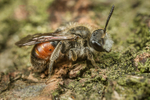
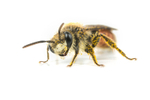
[i]Andrena labiata[/i] male, Staffordshire garden, April 2015.

Andrena labiata (m)

Andrena labiata male, Staffordshire garden, April 2015.
Photo: Andrena labiata (m). Andrena labiata male, Staffordshire garden, April 2015.
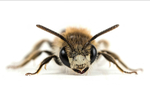
[i]Andrena labiata[/i] male, showing characteristic facial markings. Staffordshire garden, May 2016.

Andrena labiata (m)

Andrena labiata male, showing characteristic facial markings. Staffordshire garden, May 2016.
Photo: Andrena labiata (m). Andrena labiata male, showing characteristic facial markings. Staffordshire garden, May 2016.
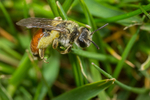
[i]Andrena labiata[/i] female, returning to her nest burrow in a lawn, with full pollen load. Staffordshire garden, M…

Andrena labiata (f)

Andrena labiata female, returning to her nest burrow in a lawn, with full pollen load. Staffordshire garden, May 2015.
Photo: Andrena labiata (f). Andrena labiata female, returning to her nest burrow in a lawn, with full pollen load. Staffordshire garden, May 2015.
[i]Andrena labiata[/i] male, showing characteristic facial markings. Staffordshire garden, April 2015.

Andrena labiata (m)

Andrena labiata male, showing characteristic facial markings. Staffordshire garden, April 2015.
Photo: Andrena labiata (m). Andrena labiata male, showing characteristic facial markings. Staffordshire garden, April 2015.
[i]Andrena labiata[/i] male, showing characteristic facial markings and red band on abdomen; a unique combination in…

Andrena labiata (m)

Andrena labiata male, showing characteristic facial markings and red band on abdomen; a unique combination in male Andrena bees. Staffordshire garden, April 2015.
Photo: Andrena labiata (m). Andrena labiata male, showing characteristic facial markings and red band on abdomen; a unique combination in male Andrena bees. Staffordshire garden, April 2015.
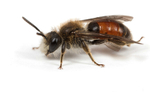
[i]Andrena labiata[/i] female.  Staffordshire garden, April 2015.

Andrena labiata (f)

Andrena labiata female. Staffordshire garden, April 2015.
Photo: Andrena labiata (f). Andrena labiata female. Staffordshire garden, April 2015.
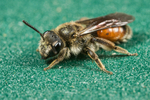
[i]Andrena labiata[/i] female.  Staffordshire garden, April 2015.

This is one of only four Staffordshire records a…

Andrena labiata (f)

Andrena labiata female. Staffordshire garden, April 2015. This is one of only four Staffordshire records and the first since 2006. It has been increasing in neighbouring Shropshire recently.
Photo: Andrena labiata (f). Andrena labiata female. Staffordshire garden, April 2015. This is one of only four Staffordshire records and the first since 2006. It has been increasing in neighbouring Shropshire...

© Ed Phillips 2026

Website by Photium
Log-in Manage website